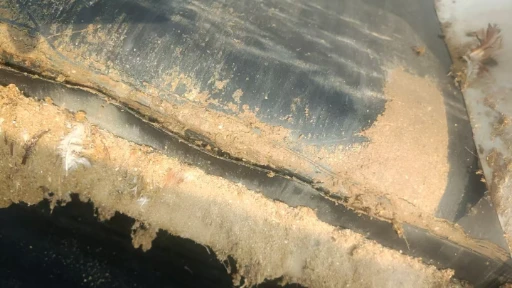
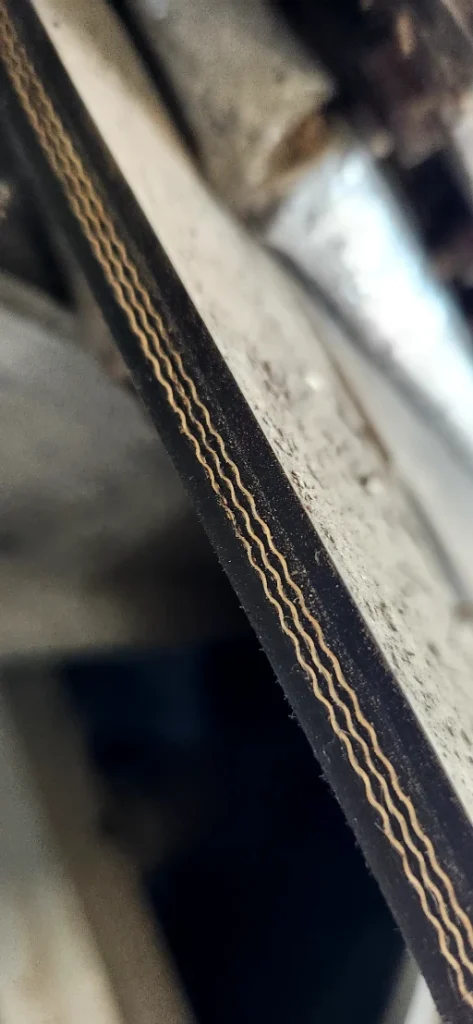
Conveyor belt delamination—the separation of the rubber covers from the internal fabric carcass… is one of the most frustrating and expensive failures an industrial end-user can experience. If you are an industrial distributor or a major trading house, learning how to prevent conveyor belt delamination is a serious operational priority to protect your business pipeline.
When a belt delaminates in the field, it quickly loses its structural integrity, leads to tracking errors, and causes complete material spillage. This often results in expensive warranty claims, technical disputes, and eroded customer trust. Understanding how to prevent conveyor belt delamination requires a deep look into both manufacturing quality control and correct operational deployment, allowing you to safeguard your product portfolio and provide expert guidance to your buyers.
Problem Analysis: The Core Causes of Layer Separation
Delamination is rarely caused by a single factor; it is typically the result of underlying manufacturing flaws or severe operational misplacement:
Substandard In-Factory Adhesion: The primary cause of delamination is poor chemical bonding during the vulcanization process. If a factory uses low-quality skim rubber between the fabric plies, or fails to maintain precise temperature and pressure controls during curing, the internal bond strength will be insufficient.
Chemical and Oil Ingress: When standard utility belts are mistakenly used to transport materials containing hydrocarbons, animal fats, or industrial chemicals, these substances penetrate the rubber covers. The chemicals attack the internal bonding layers, causing the rubber to swell, soften, and peel away from the fabric carcass.
Excessive Mechanical Flexing Stress: Running a multi-ply belt over pulleys that are too small for the belt’s total thickness creates immense internal shear stress. As the belt bends rapidly around the pulley, the outer plies stretch significantly more than the inner plies, tearing the interlaminar bonds apart over time.
The Technical Solutions: How to Prevent Conveyor Belt Delamination
Preventing delamination requires a combination of strict factory engineering discipline and precise product selection by the distributor:
Insist on High Interlaminar Adhesion Standards: Ensure your manufacturing partner complies with international adhesion standards (such as ISO 252 or DIN 22102). The rubber-to-fabric and fabric-to-fabric peel strength must be rigorously verified using tensile testing machinery before shipping.
Match Belt Compounds to Material Chemistry: If your clients are handling wood chips, fertilizers, or recycled materials, always supply specialized oil-resistant or chemical-resistant rubber compounds to prevent chemical degradation of the internal layers.
Strict Pulley Diameter Alignment: Always cross-reference the belt’s total thickness and number of plies with the end-user’s conveyor system layout to ensure the minimum pulley diameter recommendations are fully respected.
Our Factory’s Engineering and Production Advantages
As a dedicated B2B source manufacturer focused on transparent, data-driven production, we implement strict engineering controls to completely eliminate delamination risks:
Advanced Multi-Platen Vulcanization: Our 30,000-square-meter facility utilizes modern, high-pressure vulcanizing presses that maintain perfectly uniform temperature distribution across the entire length and width of the belt, ensuring an optimal, consistent chemical cure.
Premium Skim Rubber Formulations: We use only high-purity, high-tack skim rubber compounds between plies to maximize internal adhesion values well above standard international requirements.
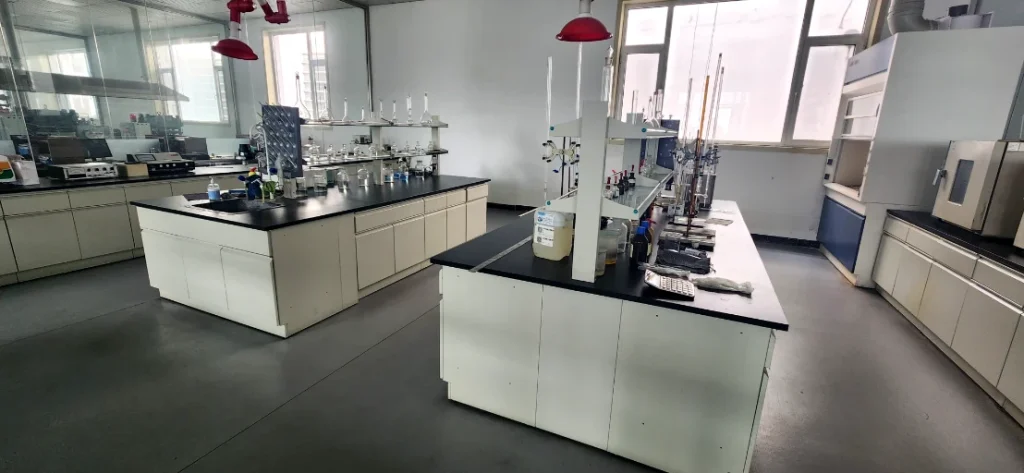
Rigorous Adhesion Testing: Every production run is subjected to destructive peel testing in our quality control laboratory. We measure the exact force required to separate the layers, ensuring no roll leaves our facility without meeting strict performance parameters.
Clear, Technical Communication: We provide comprehensive data regarding recommended minimum pulley diameters and chemical compatibility charts, helping your sales team prevent application errors before a purchase is made.
Real-World Case Study: Solving a Delamination Crisis for a Logistics Wholesaler
A major industrial supply distributor catering to bulk material handling retailers in Western Europe was facing a severe quality crisis. A batch of heavy-duty fabric belts they had sourced from a low-cost supplier began suffering from extensive top-cover delamination at a local aggregate distribution yard within just 90 days of operation, resulting in major financial claims.
The distributor turned to our factory to stabilize their supply chain. Our technical team analyzed the failed samples, identified insufficient factory curing as the root cause, and replaced the inventory with our precision-vulcanized, multi-ply EP conveyor belts featuring reinforced edge protection.
The Result: The replacement belts operated perfectly with zero layer separation or cover peeling over a multi-year period. By resolving this technical issue with a stable product, the wholesaler restored their standing with their retail network and expanded their bulk ordering program.
Conclusion & Call to Action (CTA)
Conveyor belt delamination is an avoidable problem when you partner with a manufacturer that prioritizes engineering discipline over cost-cutting shortcuts. Protecting your B2B trading business from costly quality disputes starts with sourcing belts built to survive industrial realities.
Are you looking to eliminate product failures from your inventory and supply your clients with reliable, high-adhesion conveyor belting? Contact our technical support team today to review our internal testing protocols and request factory-direct wholesale quotes.